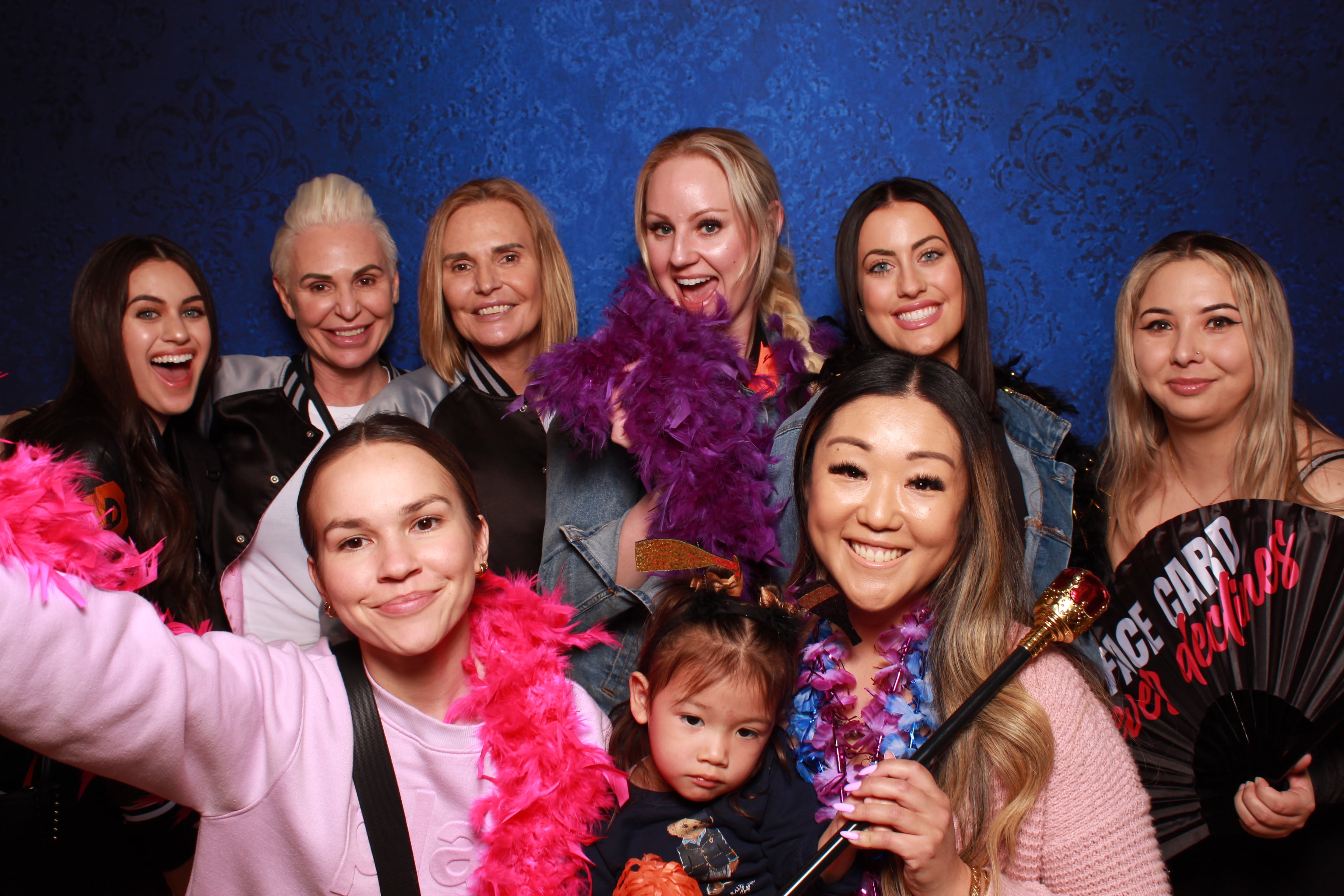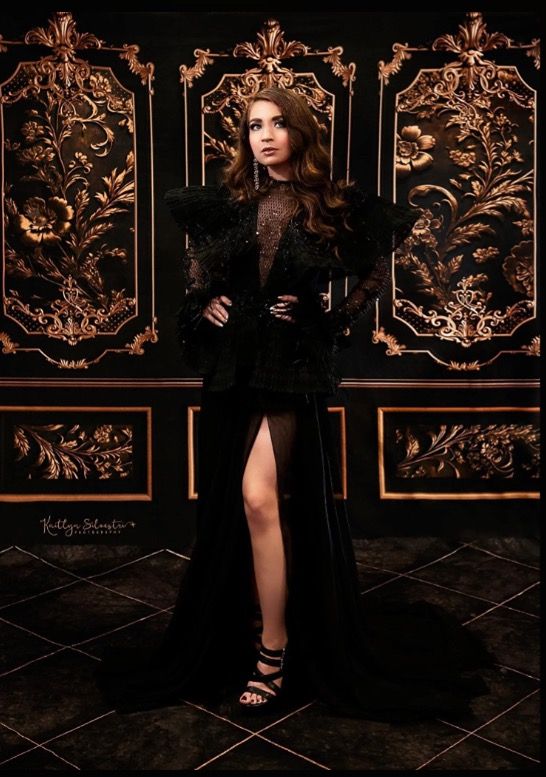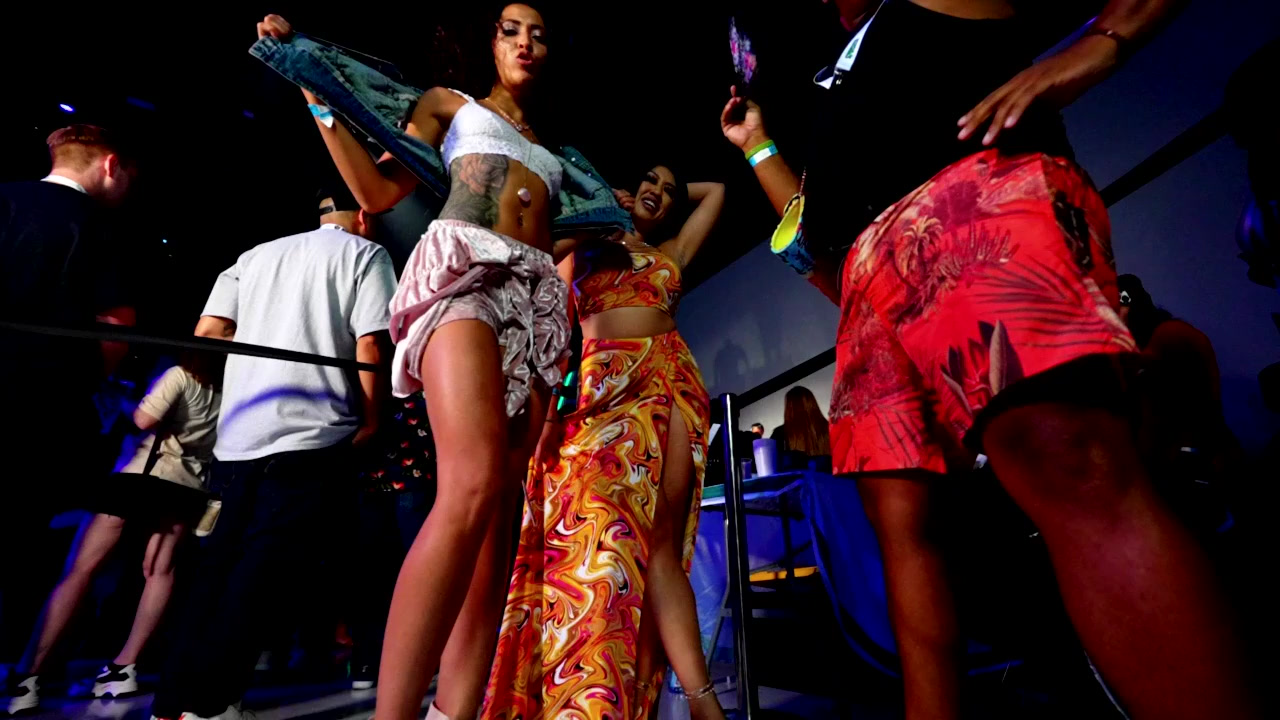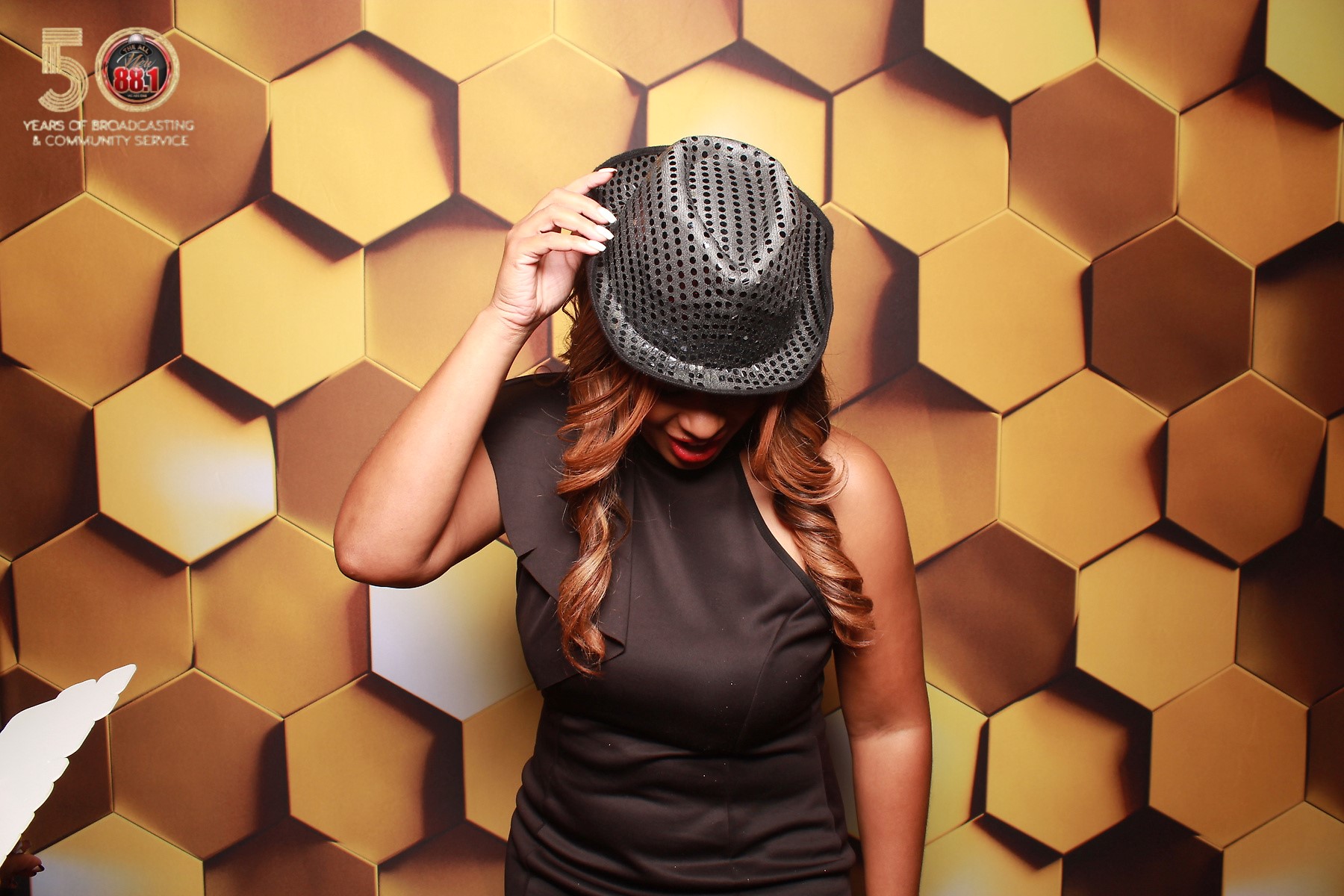






















Luxury is created through editing. The experience should share the room's visual language, respect the rhythm of hospitality, and deliver something guests genuinely want to keep.
Start with the room’s visual language
Use the invitation, floral direction, lighting, dress code, architecture, and service style as inputs. The experience should feel commissioned for the event rather than placed inside it.
Ask for the design deck, invitation, lighting plan, and material references. Those inputs help the activation feel integrated with the environment.
Premium does not mean less energy. It means every detail knows why it is there.
Edit the interface
Reduce instructions, hide technical clutter, choose restrained animation, and let a trained host guide the interaction. Guests should feel cared for, not processed.
Reduce visible hardware and instructions wherever possible. A well-trained host can replace a screen full of copy with warm, personal direction.
Make the output worth keeping
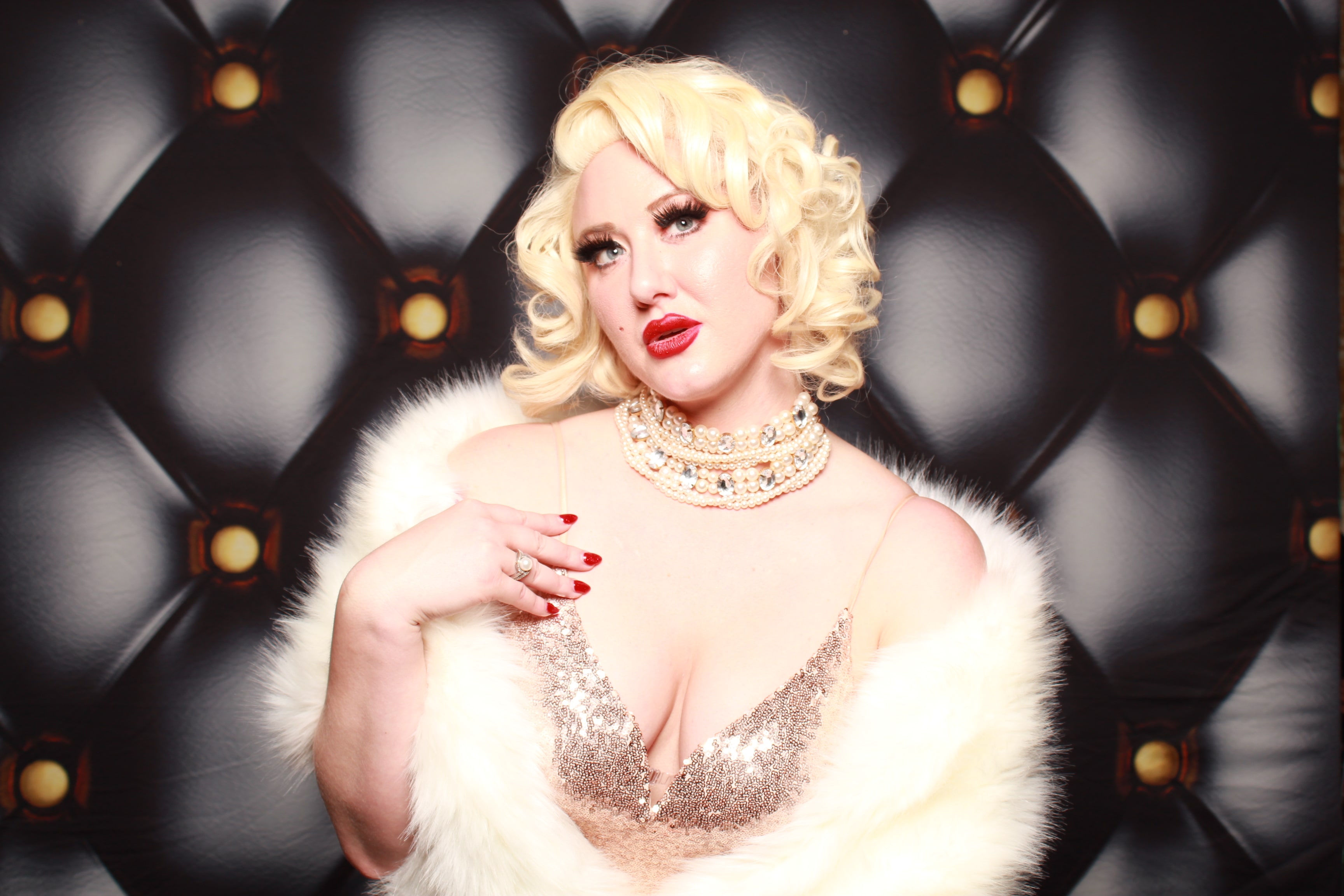
A refined portrait, cinematic clip, or tactile collectible extends the event beyond the room. Paper, color, typography, crop, and delivery should receive the same attention as the capture.
The output deserves the same scrutiny as the room. Typography, color, crop, paper, packaging, and digital delivery all communicate value.
Protect the pace of hospitality
Plan the experience around arrivals, dinner, programming, and departures. The activation should create energy at the right moment without competing with the event’s central rituals.
Map participation around arrivals, cocktails, program moments, and departure. The right activation can shift roles throughout the evening without competing with the event.